
Analyzing the Dark Horses of the 2026 FIFA World Cup: Which Teams Could Surprise Everyone and Reach the Final?
Every World Cup features a group of traditional favorites, whether it is Brazil, Argentina, France, or Spain. However, what makes the FIFA World Cup different from other tournaments is the presence of "dark horse" teams that are always capable of creating unforgettable stories. Many times, teams that receive little attention before the tournament go on to defeat footballing giants and make remarkable runs deep into the competition.
The history of the World Cup is filled with such examples, including Croatia in 2018 and Morocco in 2022. These teams proved that tactical organization, discipline, and teamwork can significantly reduce the gap in individual player quality. Once the knockout stages begin, a single mistake can decide a match, giving well-organized teams a greater chance of producing surprises than many people expect.
Looking ahead to the 2026 FIFA World Cup, based on recent performances and playing styles, three nations stand out as particularly intriguing contenders: Norway, Belgium, and Switzerland. Although none of them are considered the leading favorites to win the tournament, all three possess the qualities needed to challenge football’s biggest powers at any moment.
This article explores why these nations are being viewed as potential 2026 FIFA World Cup dark horses, while analyzing their tactics, strengths, key players, and the factors that could help them produce a surprise run all the way to the final.
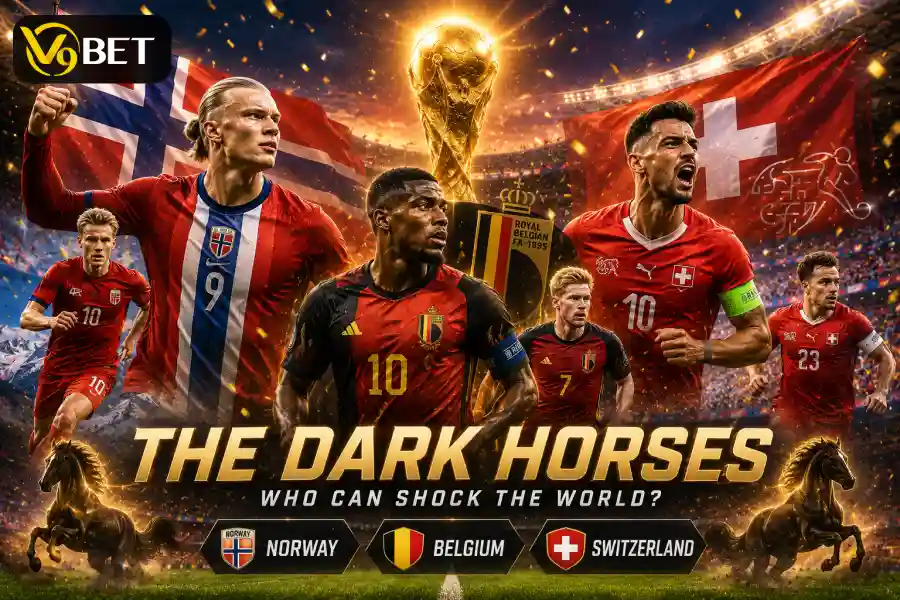
3 underdog teams that have the biggest chance of creating a surprise right now
What Makes a Team a 2026 FIFA World Cup Dark Horse Worth Watching?
The term "dark horse" does not simply refer to a team that gets lucky and advances through the tournament. Rather, it describes a team whose true potential exceeds public expectations and is capable of producing performances beyond predictions when the stakes are highest. These teams may not be filled with superstars in every position, but they often possess a strong tactical structure, excellent teamwork, and a deep understanding of their system.
The World Cup differs from domestic leagues because it is played over a short period of time. This allows highly disciplined teams to compete effectively against nations with more famous players. By limiting mistakes, closing spaces, and maximizing a few key opportunities, even heavily favored opponents can be beaten.
Another characteristic of dark horse teams is tactical flexibility. Coaches can adjust their approach quickly during matches, sometimes beginning with a defensive setup before transitioning into attack when weaknesses appear. Others rely primarily on counterattacks that catch favored teams off guard. This adaptability has been a defining trait of many surprise teams throughout World Cup history.
In addition, dark horse teams often play with less pressure than tournament favorites. Their players are generally more willing to take risks, make bold decisions, and express themselves on the pitch. Meanwhile, traditional powerhouses carry the burden of expectations, which can sometimes become a psychological disadvantage.
When considering these factors, Norway, Belgium, and Switzerland all possess the qualities required to fit the dark horse profile. They combine tactical discipline, team cohesion, flexibility, and players capable of changing matches, making them nations to watch closely at the 2026 FIFA World Cup.
Smaller Teams May Not Have the Biggest Stars, but Their Systems Can Topple Giants
Time and again, the World Cup has shown that disciplined, well-organized teams can defeat star-studded opponents. Knockout football is decided by fine margins, and a single error can completely alter the outcome of a match. This is exactly why dark horse teams continue to create memorable upsets.
Norway: From Overlooked Nation to Serious Challenger Ready to Upset the Favorites
If one team stands out as a potential surprise package for the 2026 World Cup, Norway would undoubtedly be among the leading candidates. Although they are not traditionally considered a football powerhouse, their recent development suggests a nation making significant strides and becoming capable of competing with the world's best.
The focal point of the team is Erling Haaland, widely regarded as one of the most dangerous strikers in world football. His strength, pace, movement, and clinical finishing make him a nightmare for defenders. However, a closer look reveals that Norway's success is not solely dependent on Haaland. Their progress has been built upon a clear and effective team structure.
Defensively, Norway remain organized and compact, minimizing the gaps between their midfield and defensive lines. This makes it difficult for opponents to penetrate dangerous areas. When possession is regained, they transition rapidly from defense to attack, utilizing vertical passes and intelligent winger movement to create opportunities for Haaland in front of goal.
Another reason Norway are so dangerous is their mentality. They enter matches without the pressure facing tournament favorites, allowing players to perform with confidence and trust in the coach's tactical plan. This mindset has helped them compete effectively in major matches and could provide the foundation for a memorable World Cup run.
If Norway can reach the semi-finals, they will no longer be viewed as outsiders. Instead, they will become a team every nation must respect, having demonstrated the quality, tactical identity, and confidence to exceed expectations on football's biggest stage.

Erling Haaland is a key striker for Norway.
While Haaland is Norway's standout player, the team's true strength lies in its collective approach. Every player clearly understands their role, creating balance between attack and defense and making Norway capable of surprising any opponent at the World Cup.
Belgium Remain a 2026 FIFA World Cup Dark Horse Capable of Troubling Any Opponent
Although Belgium are no longer discussed as heavily as they were during their famous "Golden Generation" era, the current squad may actually be more balanced as a tournament team. Many players have valuable experience in Europe's top leagues and understand how to handle high-pressure situations, making Belgium a dangerous opponent, particularly in the knockout rounds where every moment matters.
Belgium's biggest strength is the diversity of their attacking options. They do not rely excessively on a single player, instead creating opportunities from multiple areas of the pitch. Whether through wing play, midfield combinations, or set pieces, they possess several ways of breaking down opponents. Their attacking players can also rotate positions frequently, making them difficult to defend against.
One particularly encouraging development is their improved defensive discipline. Unlike previous teams that occasionally struggled against counterattacks, Belgium now prioritize compact positioning, minimize spaces between the midfield and defense, and press at carefully chosen moments. This has resulted in a much more balanced team overall.
In major matches, Belgium often display patience rather than reckless aggression. They gradually search for opportunities and strike when opponents become vulnerable. This approach is highly effective in knockout football because it reduces defensive risks while maximizing opportunities to capitalize on mistakes.
If Belgium can maintain this level of performance, they have enough quality to challenge and trouble any team, whether it be Spain, France, or Argentina. As a result, they could emerge as one of the tournament's biggest surprise packages at the 2026 World Cup.
Read more: Ranking the Best Goals of the 2026 FIFA World Cup: Spectacular Finishes You Can't Miss
Big-Match Experience and Clinical Attacking Play Remain Valuable Weapons
Even without as many global superstars as in previous years, Belgium still possess numerous players with extensive top-level experience. Their game management, concentration, and decision-making in crucial moments make them a dangerous opponent for any nation in the knockout stages.
Switzerland: Not the Most Exciting Team, but One Built to Surprise Through Discipline
If there is a team consistently underrated in international football, Switzerland would be near the top of the list. They may lack world-famous superstars or the flashy attacking football associated with Europe's elite nations, but they consistently make life difficult for opponents in major tournaments. Their greatest strength is something simple yet incredibly effective: discipline.
Over the years, Switzerland have steadily refined their team structure. Every player understands their responsibilities, while the defensive unit maintains excellent positioning and provides effective cover. As a result, opponents often require significant effort and patience before creating meaningful chances.
In addition to their defensive organization, Switzerland are highly effective in transition. They do not need to dominate possession, but once they win the ball back, they can quickly move forward through accurate passing and coordinated movement, creating dangerous counterattacking opportunities.
What makes Switzerland particularly dangerous in knockout football is their ability to remain focused throughout the full 90 minutes. Even when under intense pressure from stronger opponents, they rarely abandon their structure. This often forces matches into the closing stages or even penalty shootouts, situations where disciplined teams frequently hold an advantage.
If Switzerland can continue maintaining these standards and capitalize on key moments when opportunities arise, they possess the potential to upset favored teams and progress much further than many experts predict.
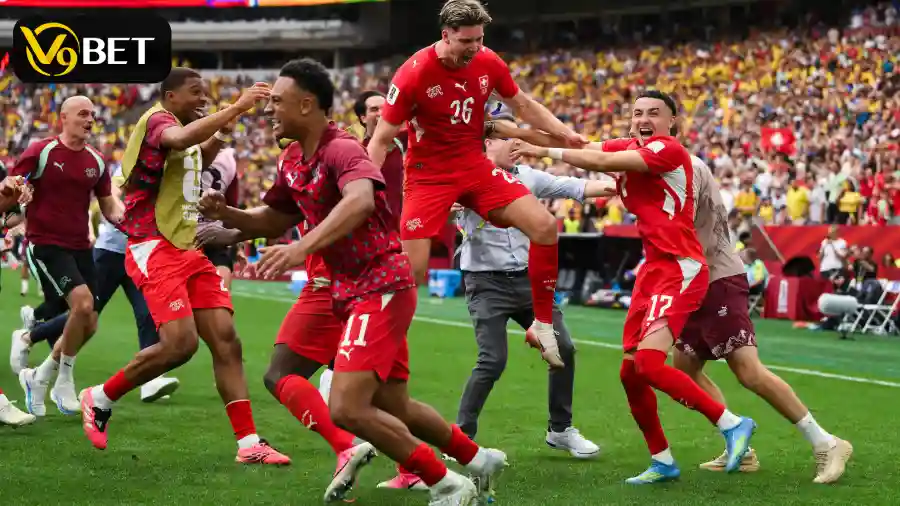
Switzerland is a steady, unpretentious destination.
Knockout football is not always decided by the number of chances created. Often, the team that defends with discipline, waits patiently for counterattacking opportunities, and makes the most of a single decisive moment is the one that advances. Switzerland have demonstrated this quality on multiple occasions at the international level.
Conclusion
Every World Cup produces stories that defy expectations, especially once the tournament reaches the knockout rounds. The 2026 FIFA World Cup appears likely to follow the same pattern. While much attention will naturally focus on favorites such as France, Spain, and Argentina, Norway, Belgium, and Switzerland each possess the ingredients necessary to shake up the competition.
Norway boast a dangerous attack led by Erling Haaland, a player capable of deciding matches on his own. Belgium combine experience with quality throughout the squad, while Switzerland continue to excel through discipline, solid defending, and mistake-free football—qualities that are invaluable in knockout tournaments.
Ultimately, the beauty of the World Cup lies in its unpredictability. Teams that are underestimated can always rise to make history, and you can place your predictions for the 2026 FIFA World Cup winner at V9Bet. If these teams maintain their standards and seize key opportunities with efficiency, they could go much further than expected. Therefore, when identifying the dark horse teams of the 2026 FIFA World Cup that could potentially reach the final, Norway, Belgium, and Switzerland deserve serious consideration. Each possesses the quality, organization, and fighting spirit required to transform bold predictions into reality on football's biggest stage.